Ever had piping hot gulab jamuns at 11,014ft while it’s -2 degrees outside? Or star-gazed a perfectly clear sky with snow all around you? Broken a 2 inch thick ice layer on the top of a bucket of water to do your business in the morning? Stood on the top of the world, feeling like your heart will explode and your legs will melt?
The last time I did a trek was in 2015 - Roopkund with Trek the Himalayas. I’d always wanted to do another one, but always felt that I’d “grown up” and won’t be able to live in those conditions anymore. I was… partially right. I did Kuari Pass in Jan this year. It was a little tough on the body - but the overall experience was so good that I wish everyone I know could experience this.
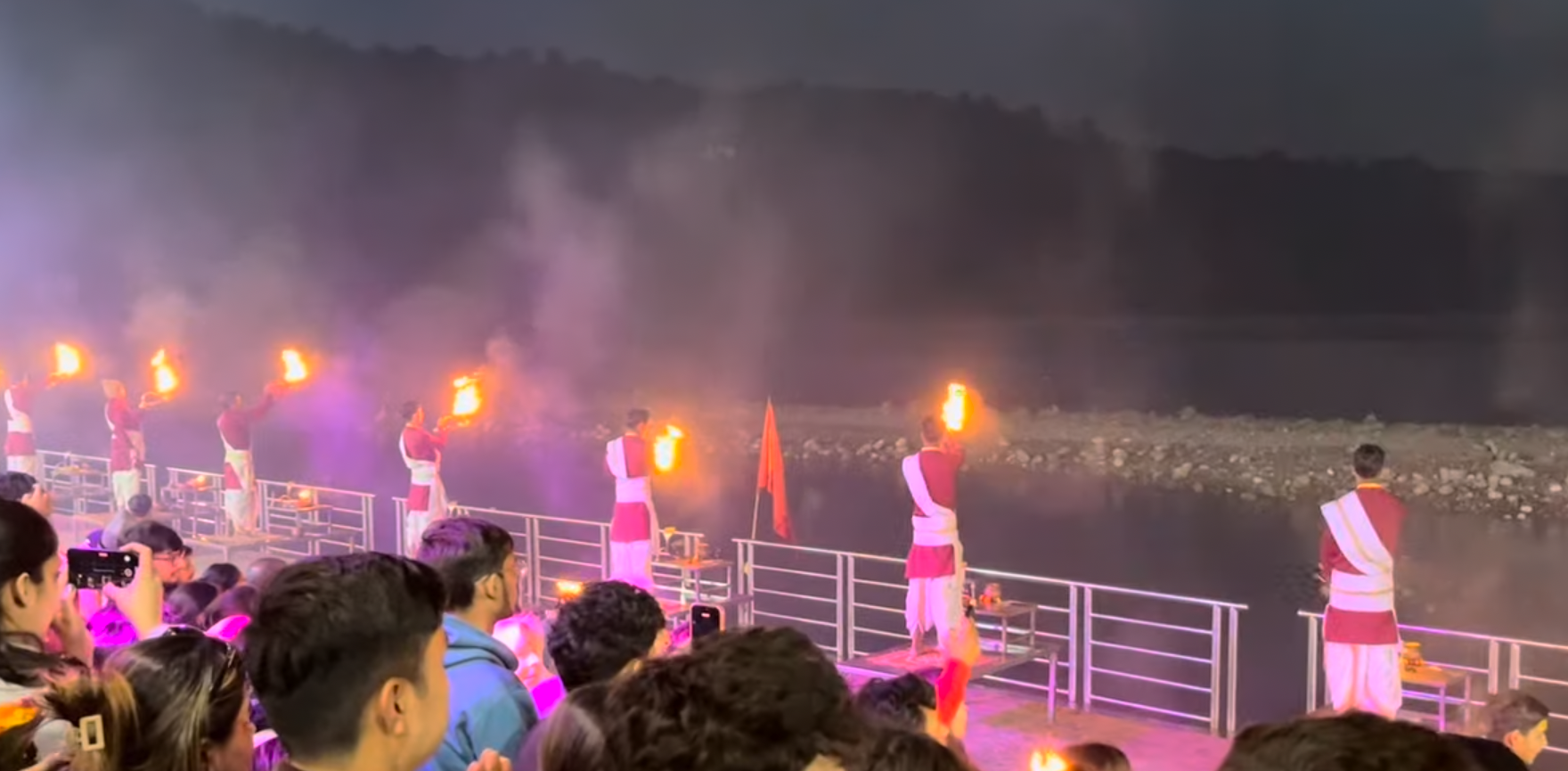
The first stop was Rishikesh. The highlight was the Ganga aarti at Triveni Ghat. There was something about the spectacle that made my heart float a little - the well choreographed aarti, the divine music being sung by someone who reminded me of Jagjit Singh, the low-key religious fervor. I wanted to chadhao some money, I wanted to take a dip in the holy river, I wanted to just be there, listening to the beautiful aarti and watch the river softly flowing by…
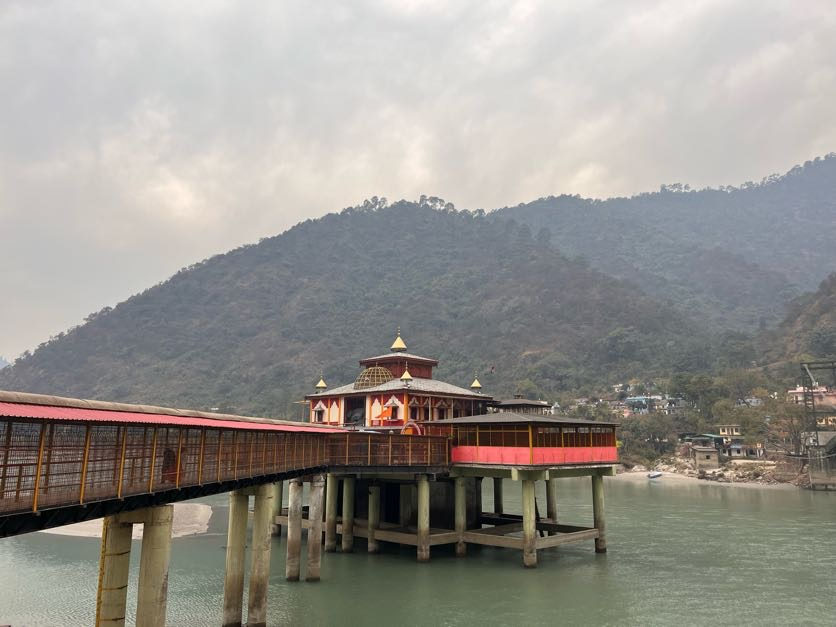
After pickup from Rishikesh, we stopped over at Dhari Devi Temple. The temple was moved in 2013 to make way for a dam to be constructed - and apparently, the very same day, a cloudburst started that caused massive floods in Uttarakhand. The temple was duly restored to its original location as soon as they could manage.
We were welcomed by the first snow of the season (the locals were very happy that we “brought snow with us” - crops would have suffered without snow).
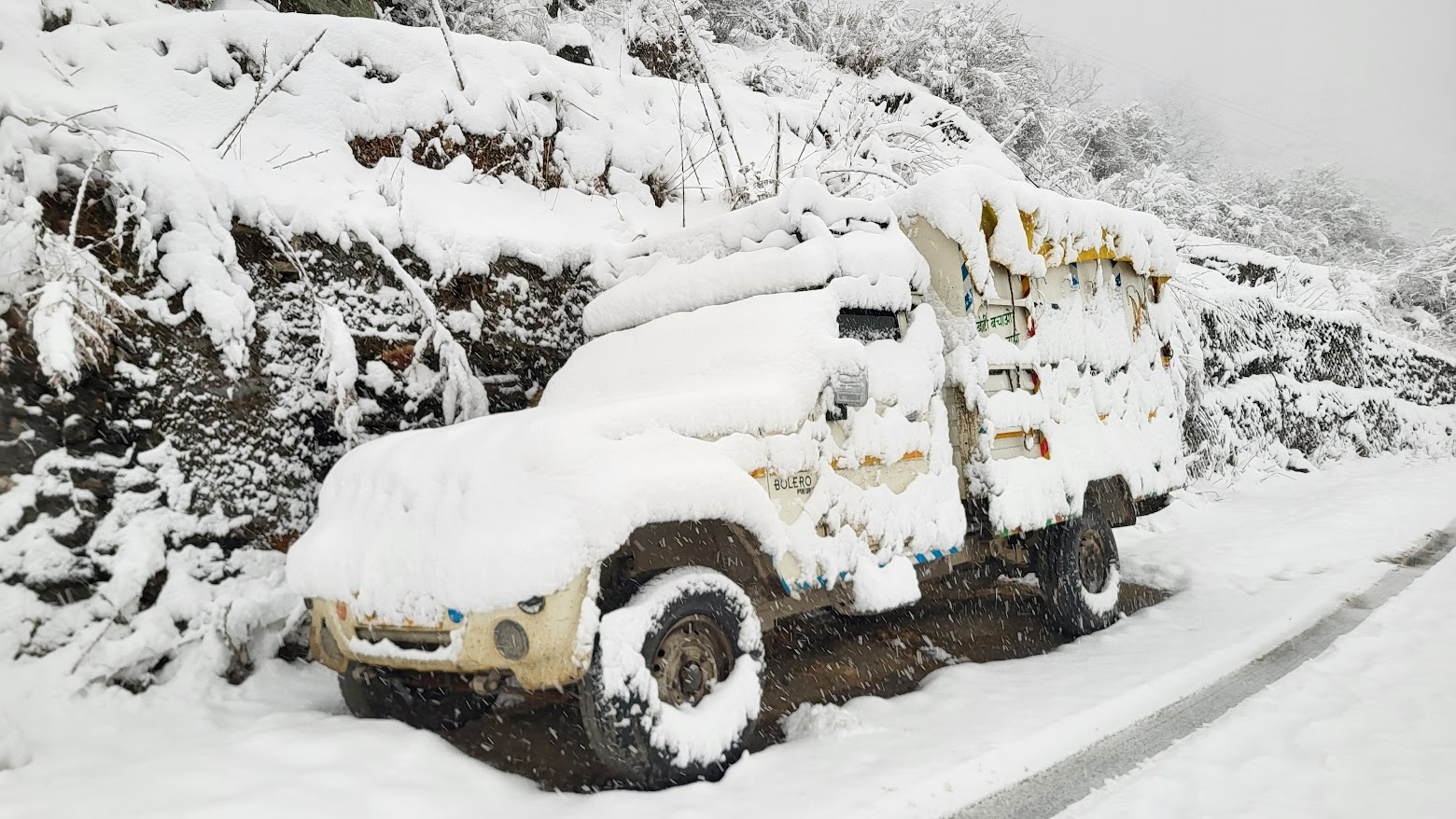
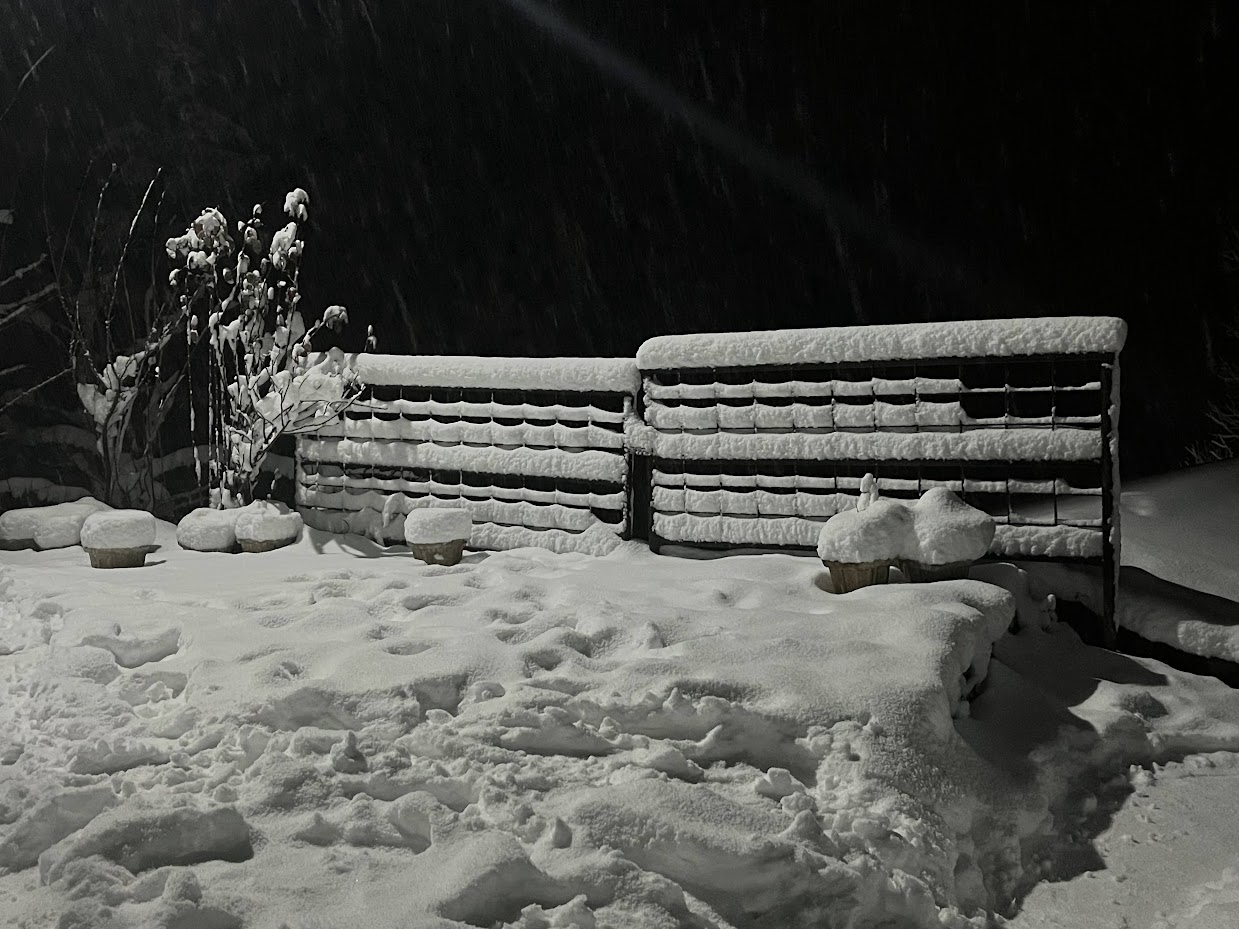
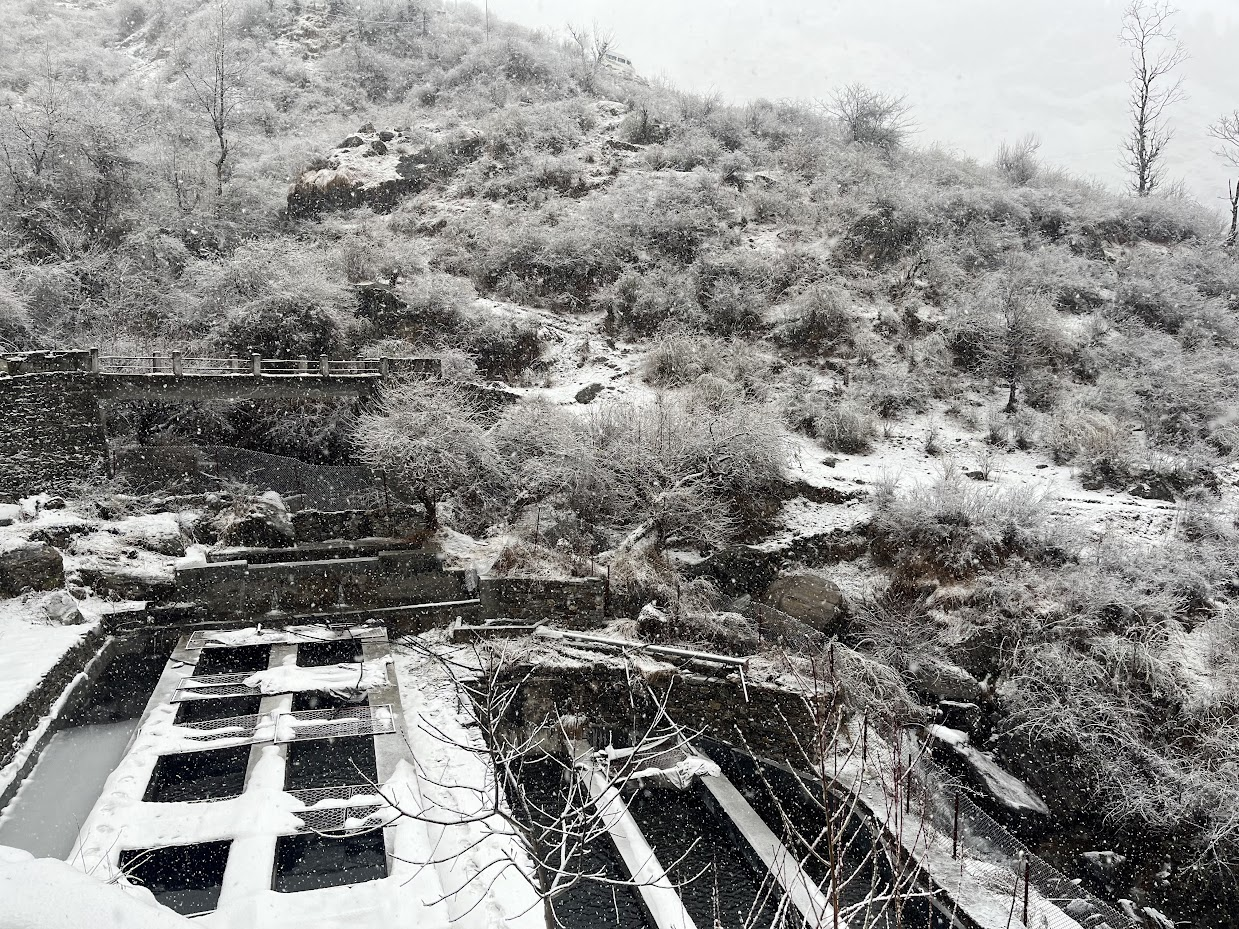
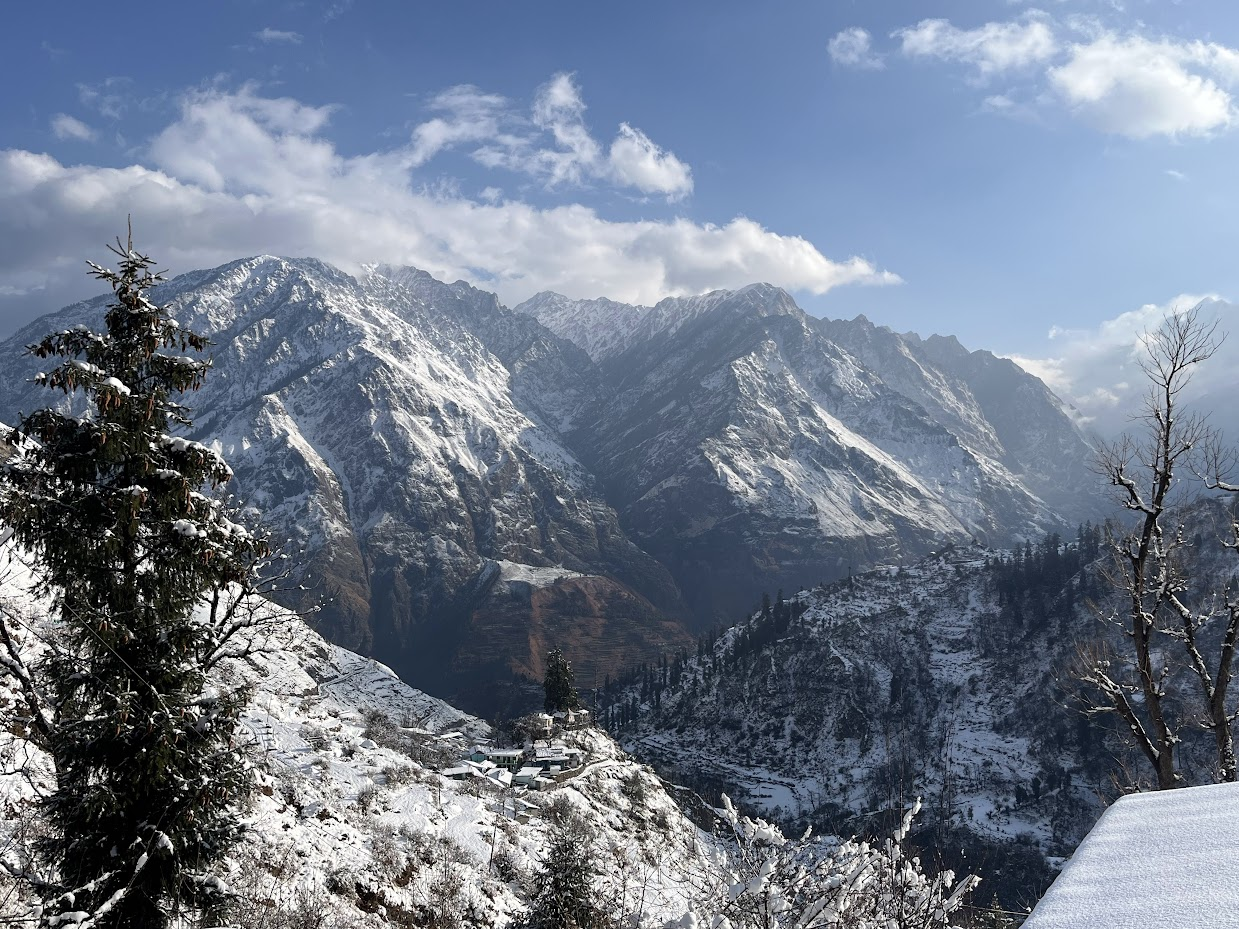
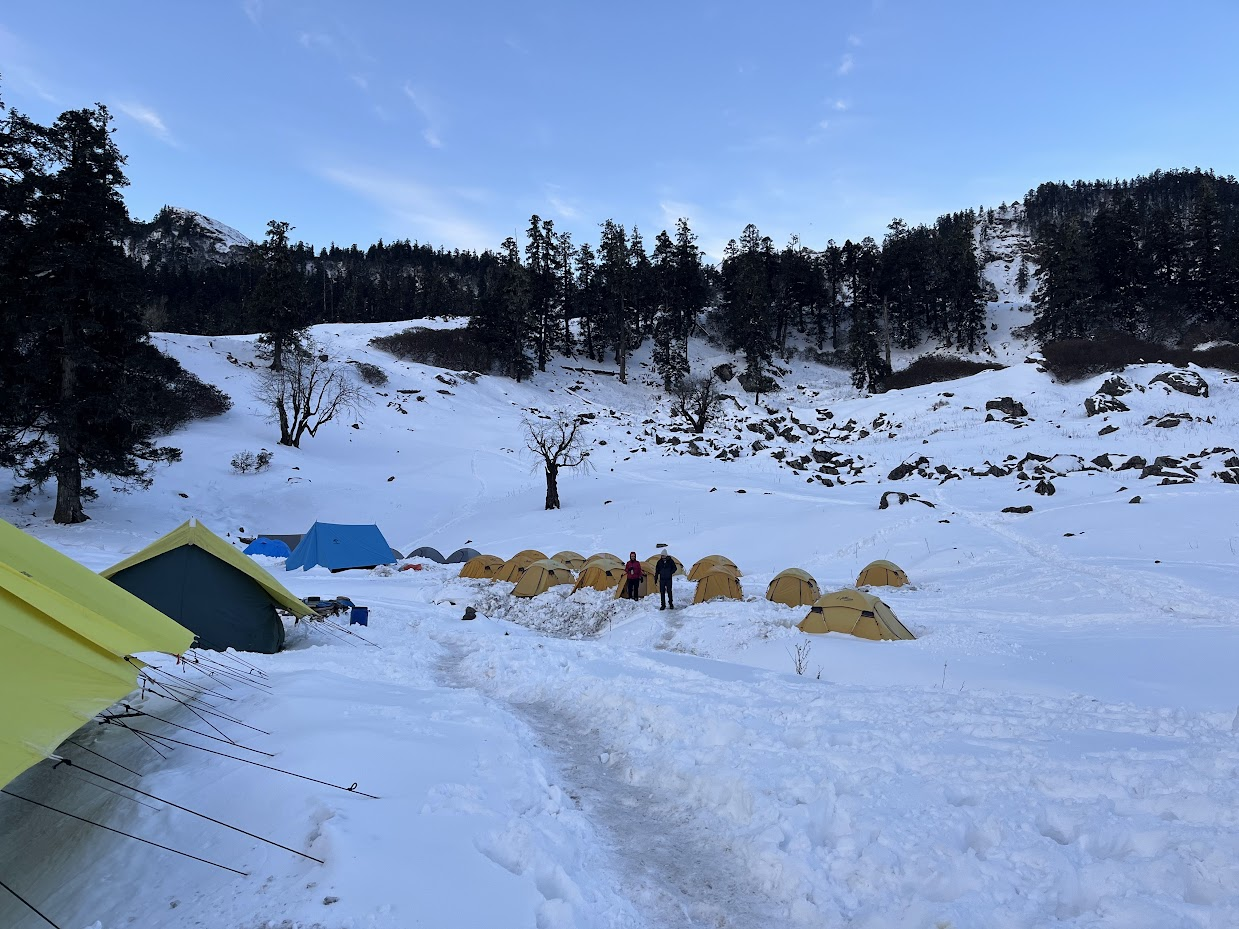
This was a bit of a blessing in disguise to be honest - we got to spend a whole day at the basecamp - it was like a winter snow resort! It heightened the anticipation of the trek while giving us some time to acclimatise.
The actual Trek
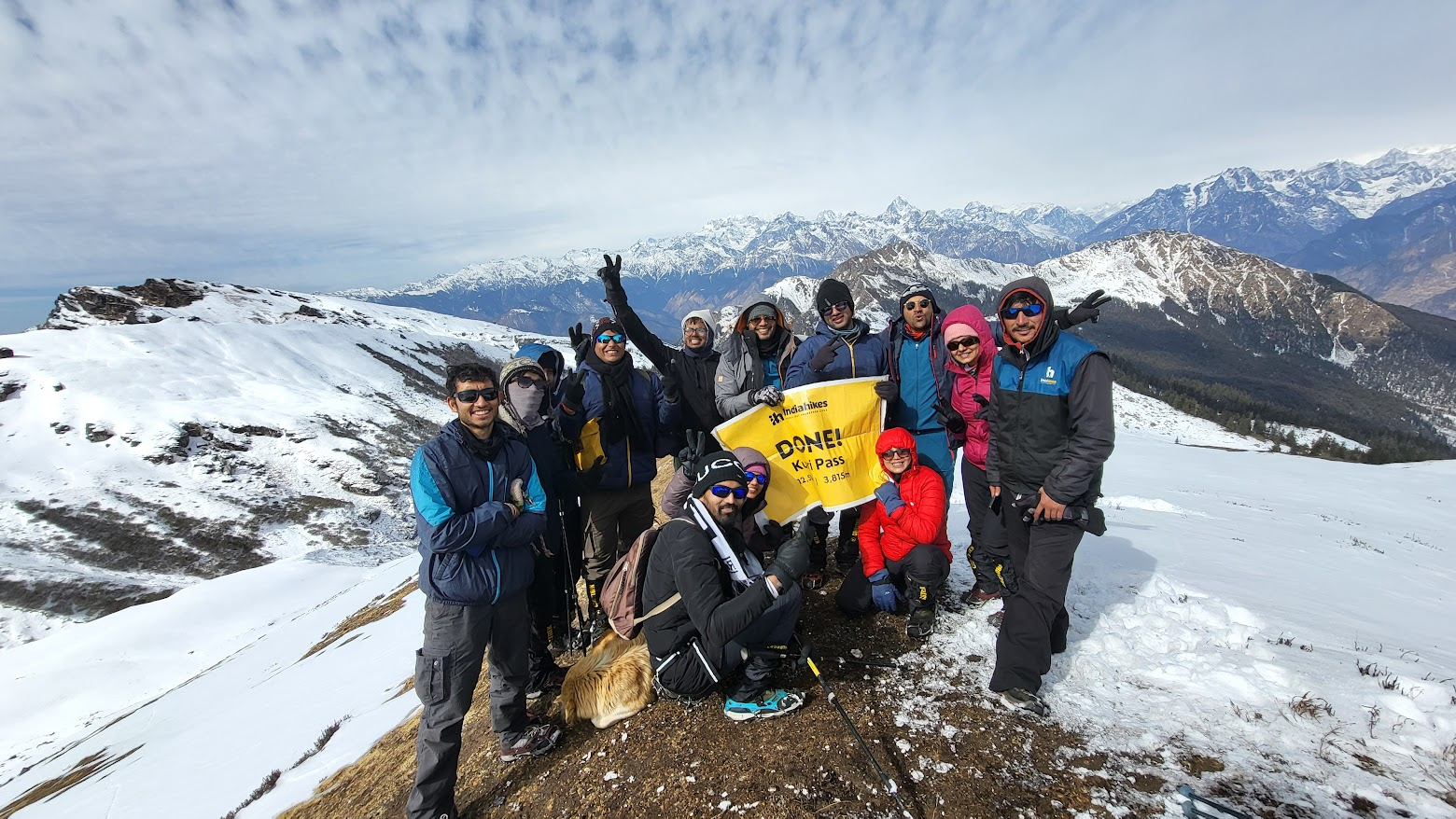
While I had prepared a bit for the trek (they recommend you should be able to run 5km in 35mins) - it pushed my limits a bit. The last 100m of the final ascent were the hardest. What helped is the lovely group of 12 we were - all very supportive and somehow not competitive at all. Almost all the way, the group trekked together - pretty rare for a trek like this. Typically the trekking group is spread out over a kilometer or more; and people who’re left behind can barely catch up to the ones in the lead.
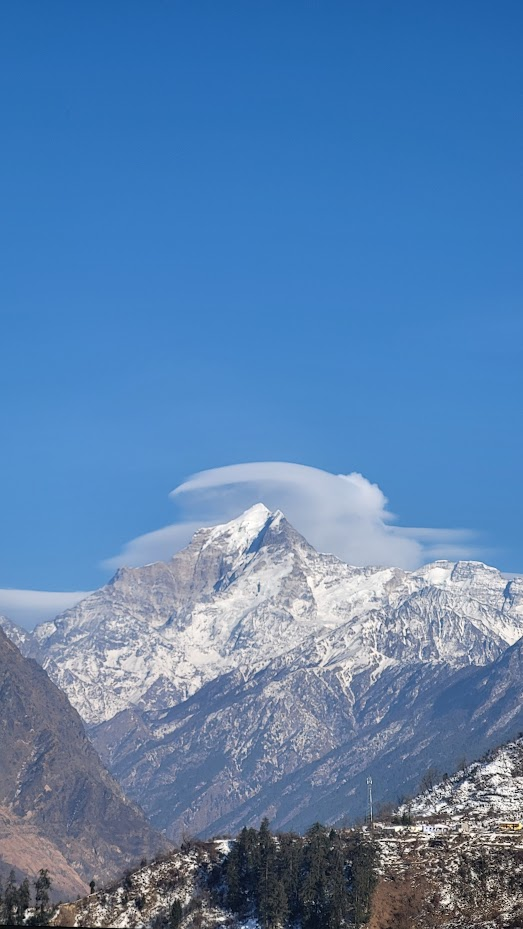
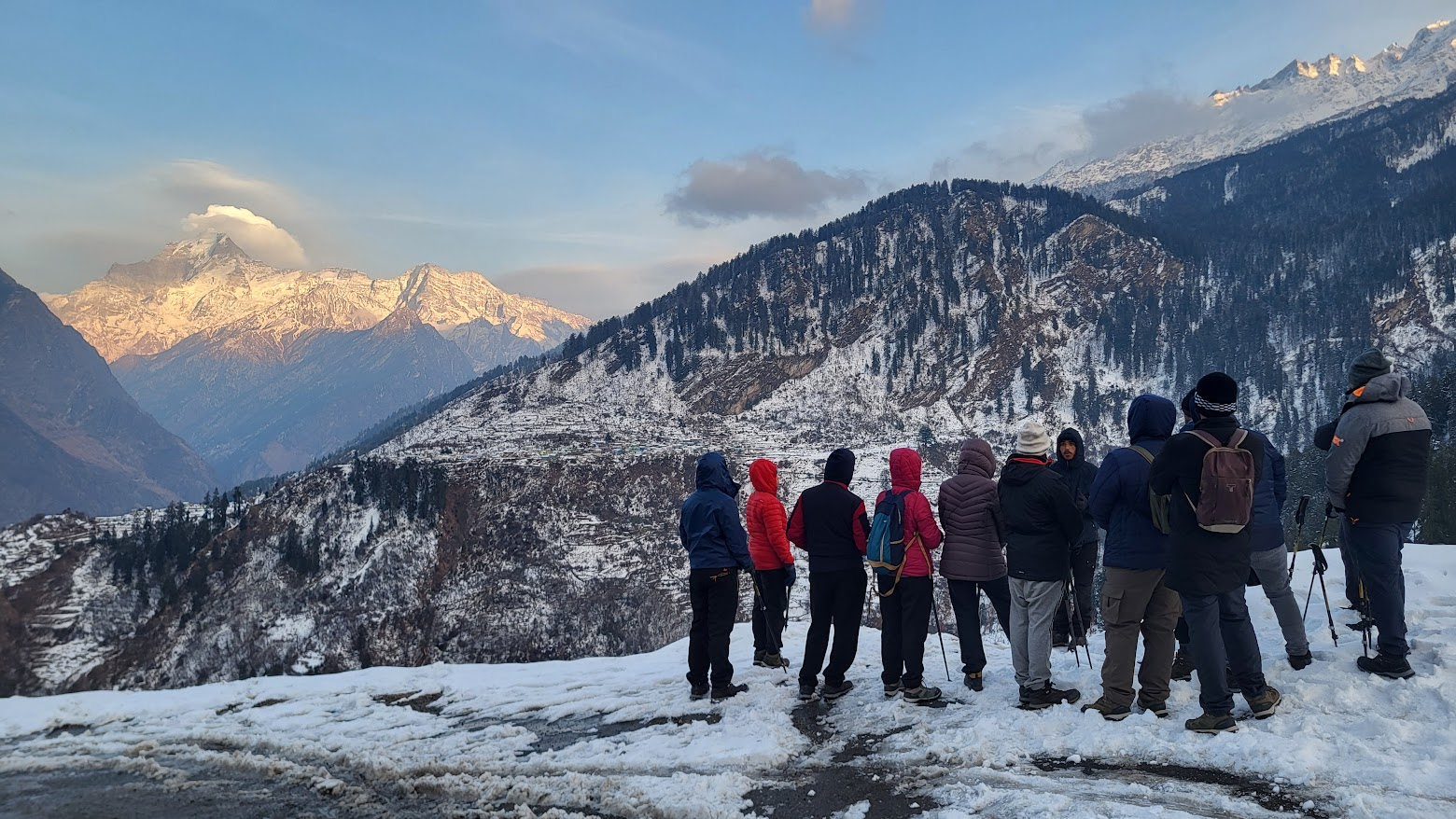
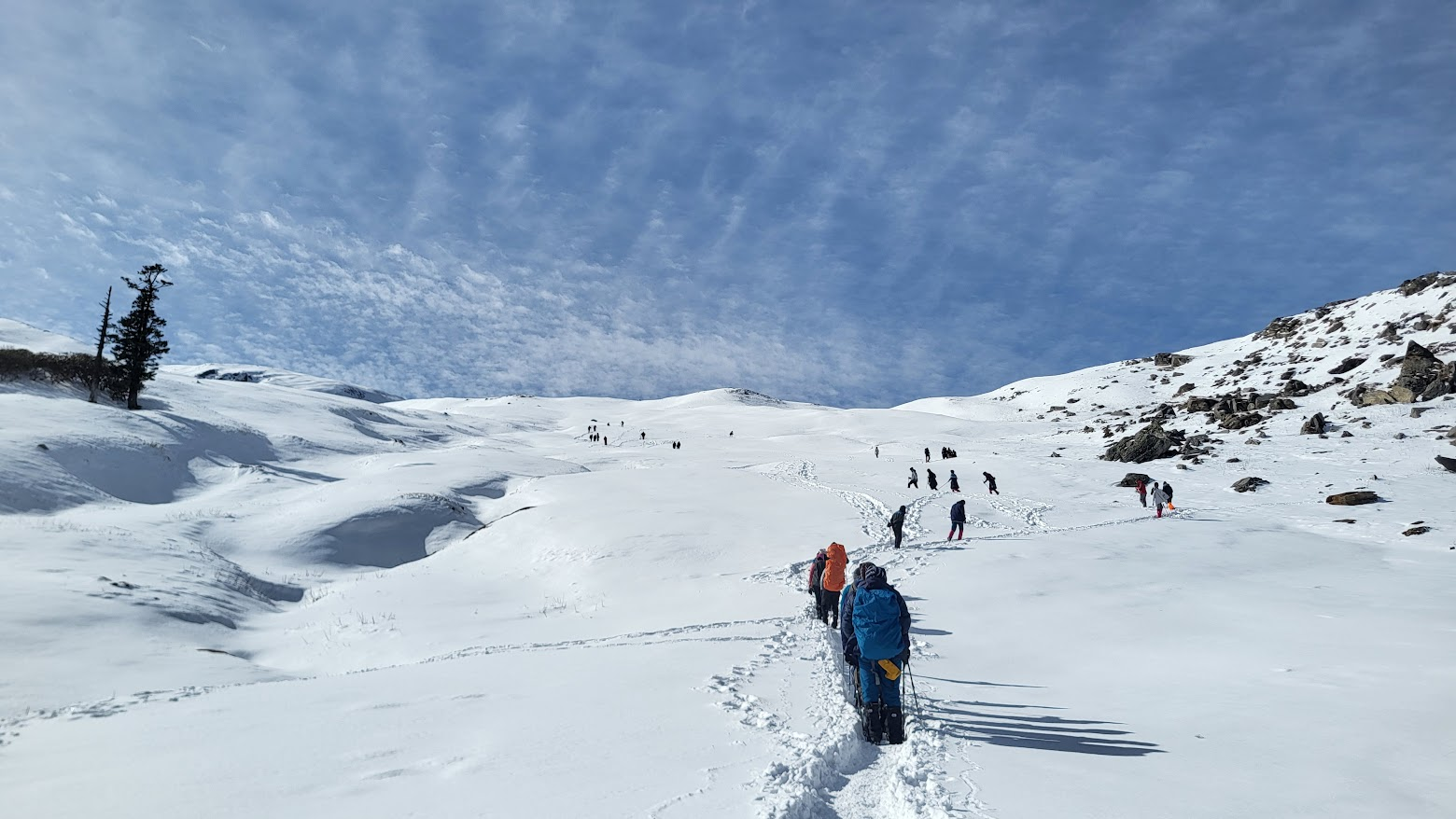
The 2nd day was the toughest - about 3kms of steep ascent and 6kms of descent with hardly a level path to walk on. The fresh snow actually helped a fair bit because the soft snow lessened the impact on our feet.
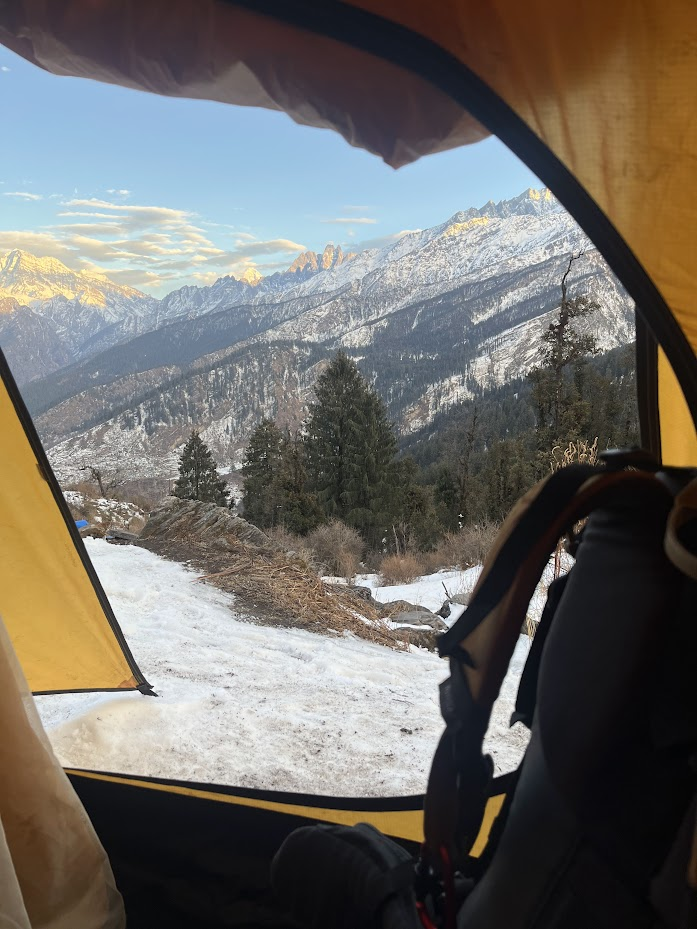
An unlikely highlight was the food we had at each stop. Jalebis and gulab jamuns above 10000ft in freezing weather is no mean feat. And I can still taste the baingan ka bharta we had at Khullara (and I don’t even like baingan!).
The People
The trek leaders we had were some of the hardiest people I’ve met. And yet they were both people who perplexed me a little.
Gurri bhai is a Himachali-Punjabi boy with a big heart - he does pooja in the mornings, he can recite poetry at the drop of a hat, has a keen interest in astronomy / star-gazing, and has an intimate knowledge of flora & fauna in the area. He’s worked with governments to implement state and central programs, and was on his way to bigger things when he decided to… run away? It almost seemed like he’s hiding out here - in 0 degree weather, biding his time just to breathe on his own for a bit.
Sri is a Bengali who has flown around the world as an Emirates stewardess, and dreams of opening her own little cafe next. For some reason she’s also decided to brave this harsh environment (and the mountaineering course that comes before it) - before going back to the “regular” world.
Two very different people, charting their own path. Massive respect.
I was pretty lucky to have the group I did. I’ve already mentioned how we all stuck together and left no one behind. What surprised me the most was the conversations we had around the angeethi at night - this was a group of GenZs talking about mythology, religion and spooky stories - about Om Banna / Bullet Baba 1, Baba Harbhajan Singh 2 and others.
The stories
Speaking of stories - one of the biggest takeaways for me was the simple stories that people in the mountains live and breathe by. To them, mountains are not just mountains, but living, breathing entities. Everything has a story, everything has significance.
I already mentioned the story of Dhari Devi - make of it what you will.
Most of us will be familiar with the role Dronagiri played in the Ramayana (it was the mountain that Hanuman carried to Lanka for its Sanjivni booti) — but did you know that the locals around Dronagiri don’t look on Hanuman kindly? The reason - one side of Dronagiri is “chopped off”. They say that Hanuman cut off one arm off their god when he took him away and put him back.
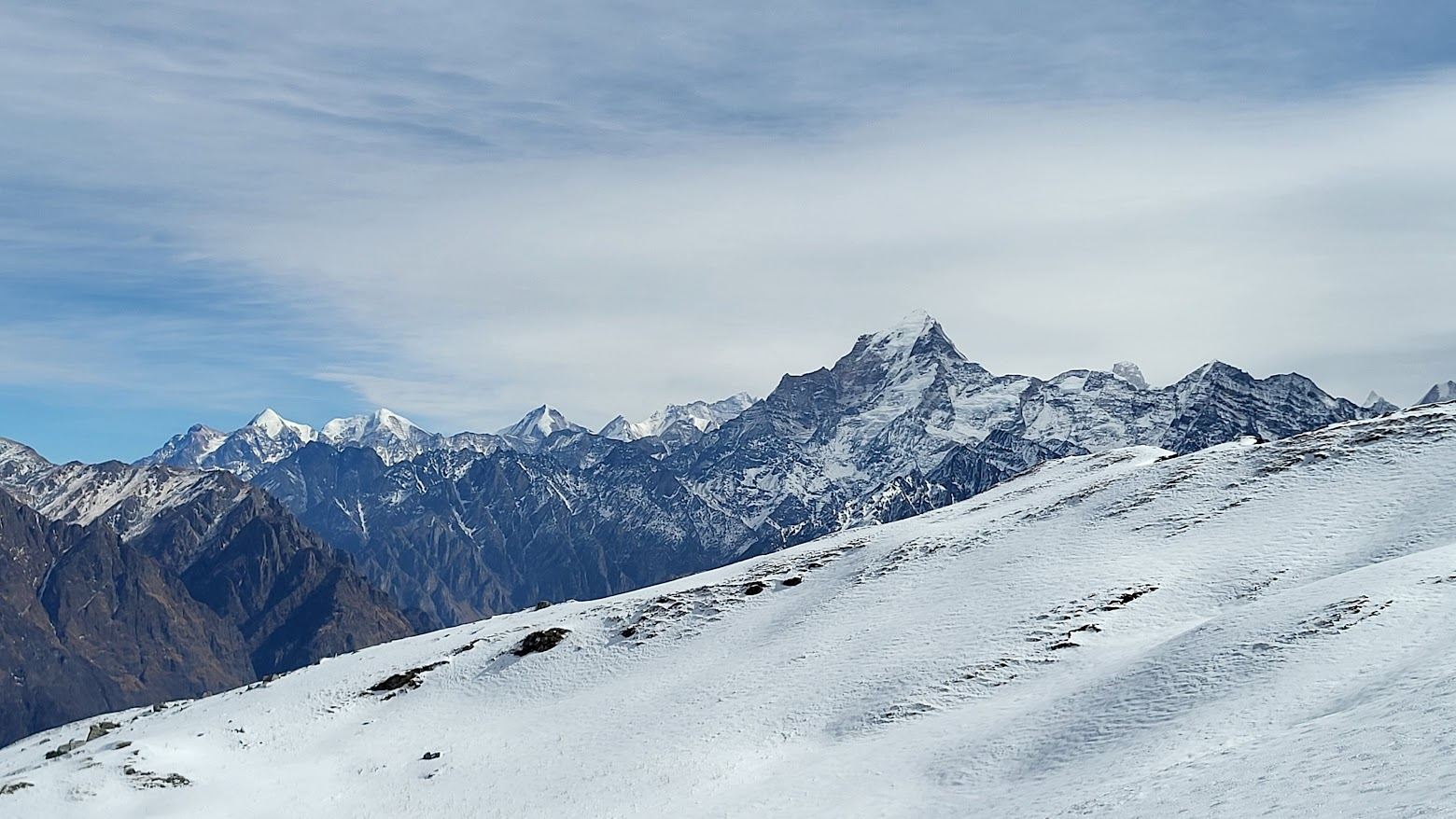
Nanda Devi is one of the holiest mountains for Hindus, and is the most beloved of the locals. Setting foot on it is banned. The reason? There are two main stories. One concerns a nuclear spy-ops story 3 worthy of a James Bond thriller. Another is much softer - protection of the fragile ecosystem, and local sensitivities.
Every 12 years - a 4-horned ram is born somewhere in the state. The ram is supposed to signify Lord Shiva, who has come to take home his bride (Nanda Devi). This becomes a signal for the Raj Jat Yatra 4 to take place - where the beloved Nanda Devi is decked up as a bride leaving her father’s household - laden with jewels, gold and gifts. The ram leads the yatra, and devotees travel 280kms over 19 days to drop the ram and Nandi Devi to Roopkund and Homkund - from where the ram journeys alone - presumably to Mount Kailash.
We listened to the Nanda Devi stories around a dim angeethi after completing the trek, while eating potatoes roasted in the coals - passed around while still hot. Peeling off a smoldering section of blackened skin for a bite of perfectly soft, roasted potato inside. No barbeque can hope to compare.
Overall, the trek was a nice contrast to the city life. Much slower, but harder in its own way. For someone who is accustomed to so much stuff around him - my rucksack for the entire trip was hardly 6kgs (of course, I probably wore an additional 3kgs with all the layers and heavy boots).
A very different relationship to nature on this brief trip - this amount of direct exposure was both terrifying and humbling. Turns out, we were extremely fortunate with the entire trek. It snowed at perfectly the right time to allow us to do a great trek — the teams both before and after us were apparently snowed in.
Gurri bhai repeatedly kept saying:
“You can come and see the mountains only if they allow you to”
My only hope - I continue to stay worthy for such an annual pilgrimage to the Himalayas.
PS: Shout to IndiaHikes as an org, and all their teams along the way. They make it serious business - which does put off some people - but their focus on sustainability, zero-waste, and other stringent precautions is what’s needed to preserve the mountains.